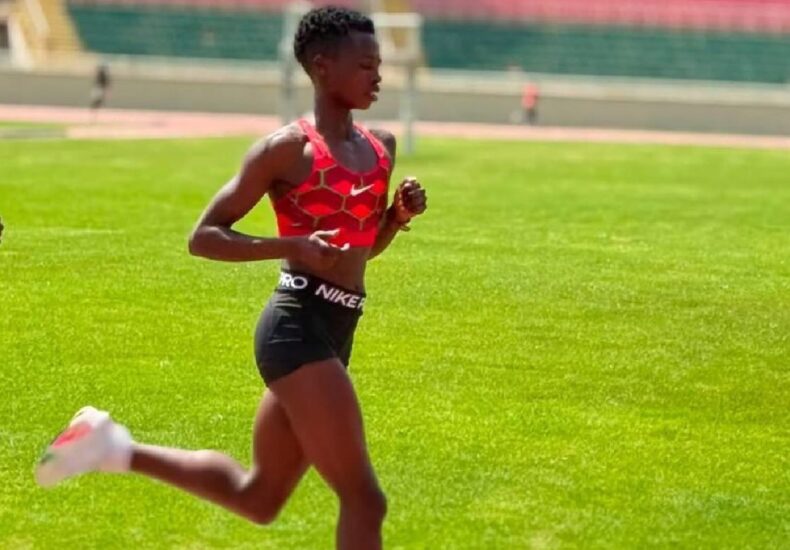
The inspiring story of Kenyan middle-distance runner Naomi Korir
In August, Kenyan middle-distance runner Naomi Korir achieved one of the most significant achievements of her career, finishing fifth in the one-mile final at the Commonwealth Games in Glasgow. But the 28-year-old’s path to the big sport has been marked by a personal battle that has threatened to end her dreams for years.
Naomi Korir was born with a congenital urogenital fistula, a condition in which an abnormal opening between the bladder and vagina results in constant and uncontrollable urine leakage. The medical challenge made her childhood a trial and initially forced her to give up long-distance running.
“I played a variety of sports: football, netball, athletics and even rugby. But the training was extremely difficult because the urine wouldn’t stop leaking. It was horrible. So I shortened the distances and started competing in the 100-meter hurdles”, said Naomi Korir.
Despite the physical discomfort, sport remains her salvation from the isolation that people with this disease face.
“I continued to play sports simply because I loved it. Most people avoided me, so I filled my time with different activities so as not to feel rejected”, she adds.
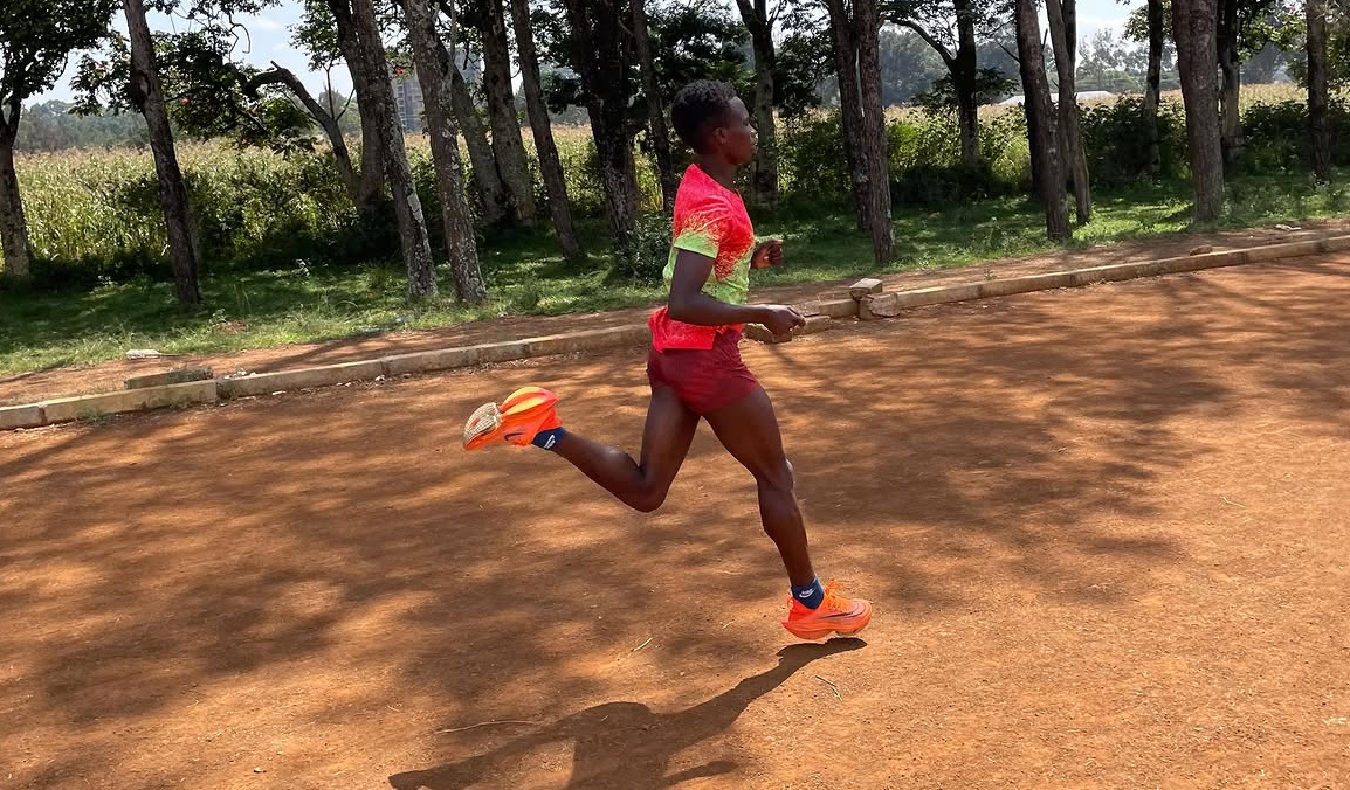
According to the humanitarian organization Doctors Without Borders, about 500,000 women worldwide suffer from fistula. While in more developed countries the problem has been almost eradicated thanks to affordable medical care, in sub-Saharan Africa it remains widespread due to limited access to quality obstetric and gynecological care.
For Naomi Korir, deliverance did not come easily. The first two surgical interventions ended in failure. It was not until August 2013, when she was 13 years old, that a third operation at the specialist hospital “Ginocare” in her hometown of Eldoret finally solved the problem.
The director of the clinic, Caroline Mabeya, who supported the athlete during her treatment, emphasized to “BBC Sport Africa” the seriousness of the psychological trauma in these patients.
“It is an extremely heavy burden on everyday life. These women are subjected to ostracism and social isolation. At “Ginocare” we offer free treatment because most of the patients are extremely poor. When they arrive, they are broken and with shattered self-esteem, so we make a huge effort to strengthen them and bring them back into society”, Mabeya explains.
After the successful operation, Naomi Korir continued her education thanks to the hospital’s “Beyond the Fistula” program, spending the years there until she graduated from high school. Her professional debut on the track came in 2019, and success was not long in coming.
In 2021, she won a silver medal at the World Relays Championships in Poland in the mixed 2x2x400 meters in tandem with Ferguson Rotich. A year later, she also won gold at the African Championships in Mauritius in the 4×400 meters relay, before reaching her first individual final at a major international forum in Glasgow.
Today, Naomi Korir serves as an inspiration to all women who are fighting a similar battle with the stigma of the disease.
“I want to inspire courage in young girls who have lost hope. They need to know that they can return to a full life and enjoy it”, says the runner.
As a child, Naomi Korir sang in the church choir and played the ionic, believing that her future lay in music. Today, however, she finds her happiness on the track as one of the most successful examples of the power of the human spirit.
With an eye on the upcoming World Championships in Beijing next year and the Olympic Games in Los Angeles in 2028, Naomi Korir is convinced that the next big chapter in her career is yet to be written.
“I know that I am already a winner in life, because overcoming fistula itself makes you a true champion. But now I can’t wait to reach the top in sports as well”, shares the athlete.
Leave a Reply